Lines of Communications meetings upcoming in North Carolina

Share / View as a webpage   DMF Logo Banner   Jan. 20, 2026 New “Lines of Communication” meetings scheduled for North Carolina MOREHEAD CITY – Itching to share your ideas on federal fisheries management? The North Carolina Department of Environmental Quality’s Division of Marine Fisheries encourages fishermen to attend one of four upcoming South Atlantic Fishery Management Council Lines of Communication meetings scheduled for North Carolina. Lines of Communication is a new council initiative to build relationships with fisheries stakeholders and provide an opportunity for mutual sharing of information. The meetings allow attendees to provide their perspectives with local council members, council staff and other fishery participants. The meetings will be held in-person along the South Atlantic coast.

North Carolina Lines meetings are scheduled as follows: Feb. 2, 6-8 p.m.
Town Creek Community Center

6420 Ocean Highway East
Winnabow, NC 28479 Feb. 3, 6-8 p.m.
NC Division of Marine Fisheries

Central District Office
5285 Highway 70 West
Morehead City, NC 28557 Feb. 4, 6-8 p.m.
Hatteras Civic Center

57688 NC- Hatteras Highway
Hatteras, NC 27943 Feb. 5, 6-8 p.m.
Virginia S. Tillett Community Center

950 Marshall C Collins Dr.
Manteo, NC 27954

The South Atlantic Fishery Management Council is one of eight regional fishery management councils in the United States that manages fisheries in federal waters. The South Atlantic Council is responsible for the conservation and management of fishery resources in federal waters ranging from 3 to 200 miles off the coasts of North Carolina, South Carolina, Georgia and east Florida. It manages species such as Dolphin, Wahoo, mackerels, snapper and grouper.
For More Information 
Contact:  Patricia Smith
Phone: 252-515-5500 Website: https://www.deq.nc.gov/dmf
Facebook: https://www.facebook.com/NCMarineFisheries
Instagram: https://www.instagram.com/NC_DMF
Twitter: https://twitter.com/NC_DMF
P.O. Box 769, 3441 Arendell St., Morehead City N.C. 28557

Coldwater Inshore Action – Opinions

Brian Cope FeaturesNewslettersRedfishSpeckled Trout

Fishing tight to seawalls can be productive for speckled trout during cold weather.

Redfish and speckled trout are prized winter catches

January in the Carolinas brings a quieter rhythm to the inshore waters, but for anglers who understand seasonal patterns, it can be one of the most rewarding times to target redfish and speckled trout.

Cold fronts sweep through regularly, water temperatures drop, and bait becomes less abundant, forcing fish to adjust their behavior.

These changes concentrate redfish and trout into predictable areas, making patience and strategy more important than covering water quickly.

Speckled trout

Small creeks produce redfish of various sizes this time of year.

Speckled trout are particularly sensitive to cold and tend to gather in deeper holes, creek bends, and channels where water temperatures remain more stable.

about:blank

During January, they often stack tightly, sometimes by the dozens, especially following extended cold spells. Anglers who locate these wintering areas can experience steady action, but must also fish carefully to avoid stressing fish in cold water. Slow presentations are key, as trout metabolism decreases and aggressive retrieves are far less effective than subtle, deliberate movements.

Redfish

Redfish are more tolerant of cold but still seek out similar structures. Schools of slot-sized reds commonly hold along muddy shorelines, oyster edges, docks, and deeper flats adjacent to shallow feeding areas. On sunny winter days, redfish will often slide into skinny water that warms quickly, especially on a rising tide. Dark, muddy bottoms absorb heat and can raise water temperatures just enough to trigger feeding activity, sometimes for only a short window during the afternoon.

Watch the weather

Weather plays a major role in January success. A strong cold front can shut down the bite temporarily, pushing fish deeper and making them lethargic. Conversely, a few days of stable conditions often lead to improved fishing, especially when afternoon temperatures climb. Many experienced anglers plan trips around warming trends rather than calendar dates, understanding that winter fishing is as much about timing as location.

Lure choices

Soft plastic lures are good choices for both redfish and speckled trout this month.

Artificial lures dominate January inshore fishing, as live bait becomes scarce and less effective in cold water. Soft plastics rigged on light jigheads are a favorite for both redfish and speckled trout. Natural colors like opening night, new penny, and white tend to perform well in the often-clear winter water. Slow hops along the bottom or gentle drags through deeper holes mimic injured baitfish and appeal to cold-stunned predators.

Suspending twitch baits are another popular option, particularly for speckled trout. These lures excel when worked slowly with long pauses, allowing them to hover in the strike zone. Many winter strikes occur during the pause rather than the retrieve, requiring anglers to remain focused and ready to react. Downsizing lures can also make a difference, as fish are less likely to chase large meals in January.

Play the tides

Most of the bigger redfish have left for deep water by January, but a few always stick around.

Tides influence winter fishing more subtly than in warmer months. Extreme low tides often expose mud flats and force fish into deeper water, making them easier to locate but sometimes harder to entice. Moderate moving water is usually ideal, providing enough current to concentrate bait without sweeping lures unnaturally. Slack tides can still produce, but presentations must be even slower to draw attention.

Ethical handling becomes especially important during winter. Cold water reduces fish resilience, and speckled trout are vulnerable to stress and delayed mortality. Limiting air exposure, handling fish gently, and releasing them quickly helps ensure healthy populations for the future. Many anglers voluntarily practice catch and release during January, valuing the experience over harvest.

Kim Massengill loves fishing for speckled trout during the winter, and this photo shows why.

Throughout January, the bite may be less explosive than in warmer months, but the solitude, clarity of the water, and opportunity to catch quality fish all make January a uniquely satisfying time on the coast.

About Brian Cope

Brian Cope is the editor of Carolina Sportsman. He has won numerous awards for his writing, photography, and videography. He is a retired Air Force combat communications technician, and has a B.A. in English Literature from the University of South Carolina. You can reach him at brianc@carolinasportsman.com.

Meet Your New Board Members

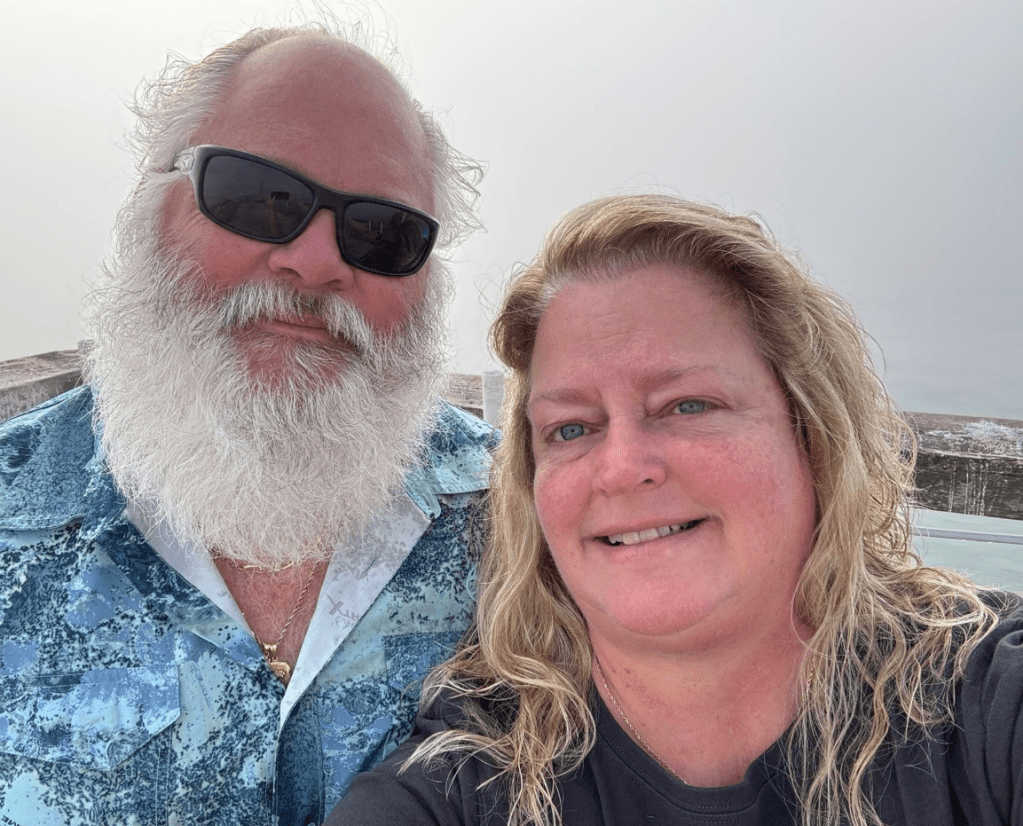
The Sea Trail Fishing Club Board of Directors welcomes its new members:

Sergeant at Arms – Sanford “Sandy” Herman

My background includes past owner of a Financial Services Company and Real Estate
Broker of New York and No. Carolina; with many years of a community service National
Scholarship Program. I’m an Army veteran, proud husband to Beverly, father and
grandfather. Upon becoming semi-retired we moved here to Sea Trail, Sunset Beach in
February 2022. I learned fishing as a Boy Scout and has been one of my joys in life since.
My favorite is big game fishing and most enjoy offshore trips. Upon learning of the Sea Trail Fishing Club I joined that month, as I wanted to learn about the 5 major fish that thrive here in the Intercoastal Waterway. I look forward to working with the STFC Board and help make the club flourish over the next few years. I’m excited to learn and fish this area, while making new friends and fellow anglers.

Member at Large – Mike Sutton

I was born in the foothills of western NC and grew up fishing the Yadkin River, Wilson’s Creek, John’s River and countless smaller creeks from Caldwell County to Asheville NC.

I spent decades as a firefighter at Patterson Fire Department, rising to the level of Assistant Fire Chief. I joined the Lenoir Police Department where I served as a patrol officer. I retired after being shot in the line of duty.

My wife and I owned and operated a horse farm for many years before selling it and moving to the beach. We love surf fishing and taking our 18′ bay boat out on the ICW.

I look forward to serving on the Sea Trail Fishing Club board. 

If you recognize one of these guys, please offer your thanks for their efforts to make Sea Trail Fishing Club a success!

 __