The cooks from the wildly successful first annual Sea Trail Fishing Club Golden Spoon cookoff graciously shared their recipes.
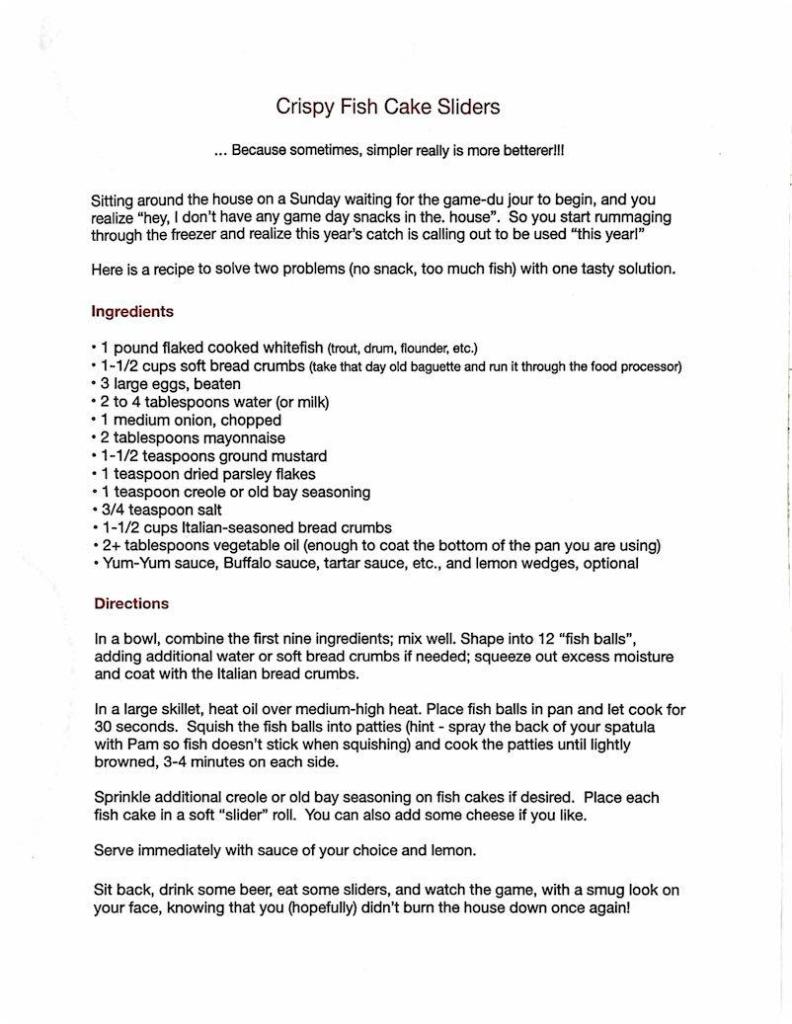
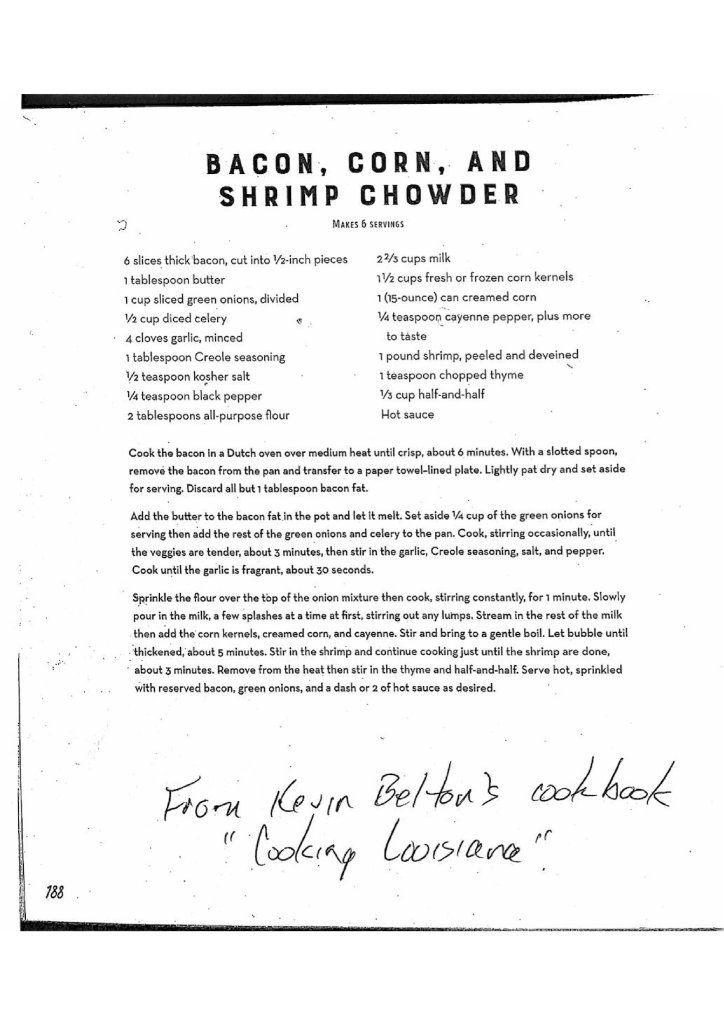
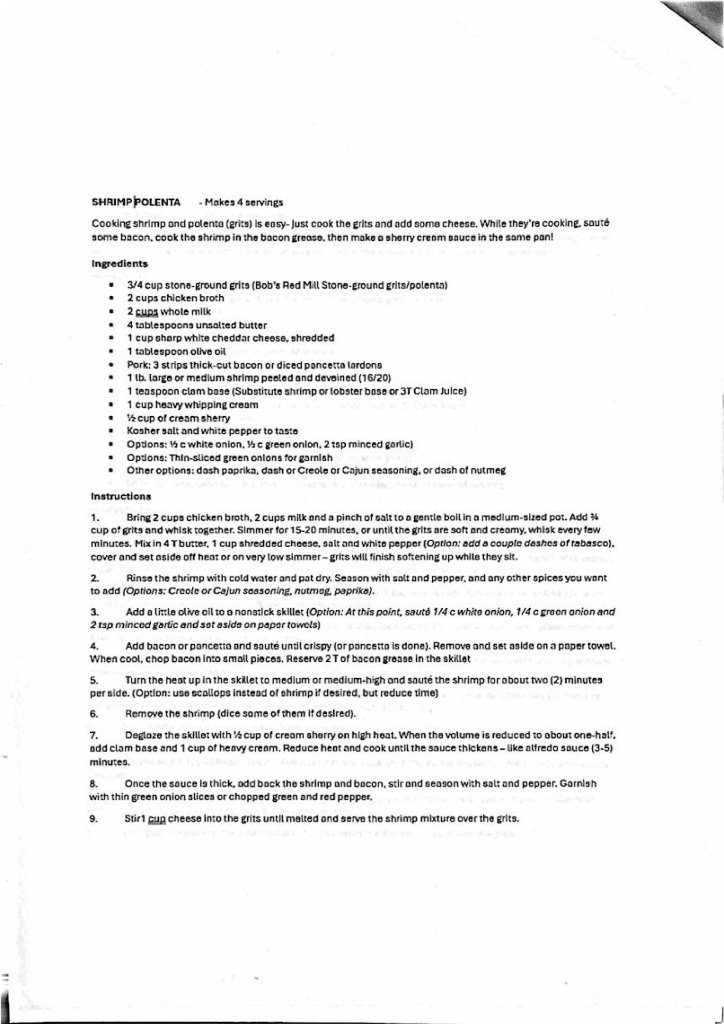
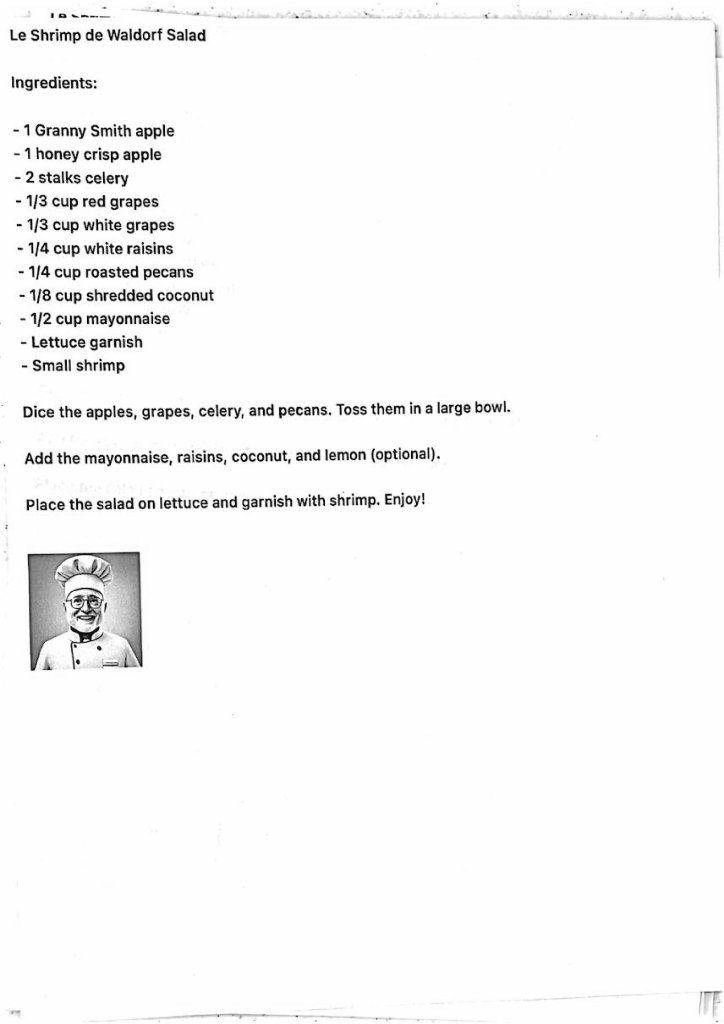

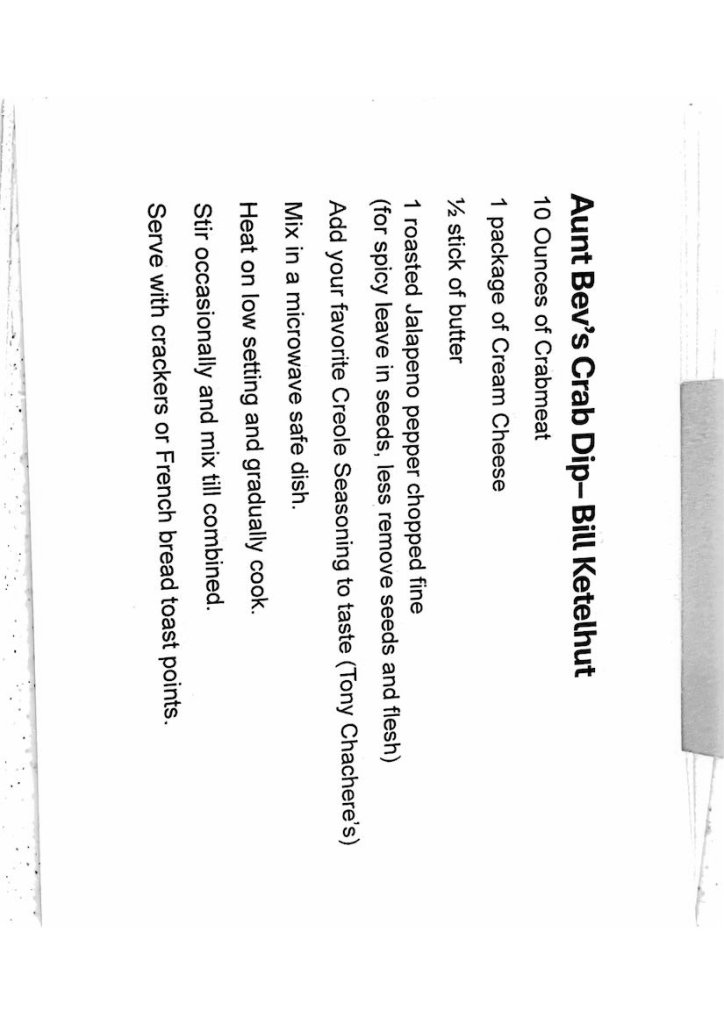
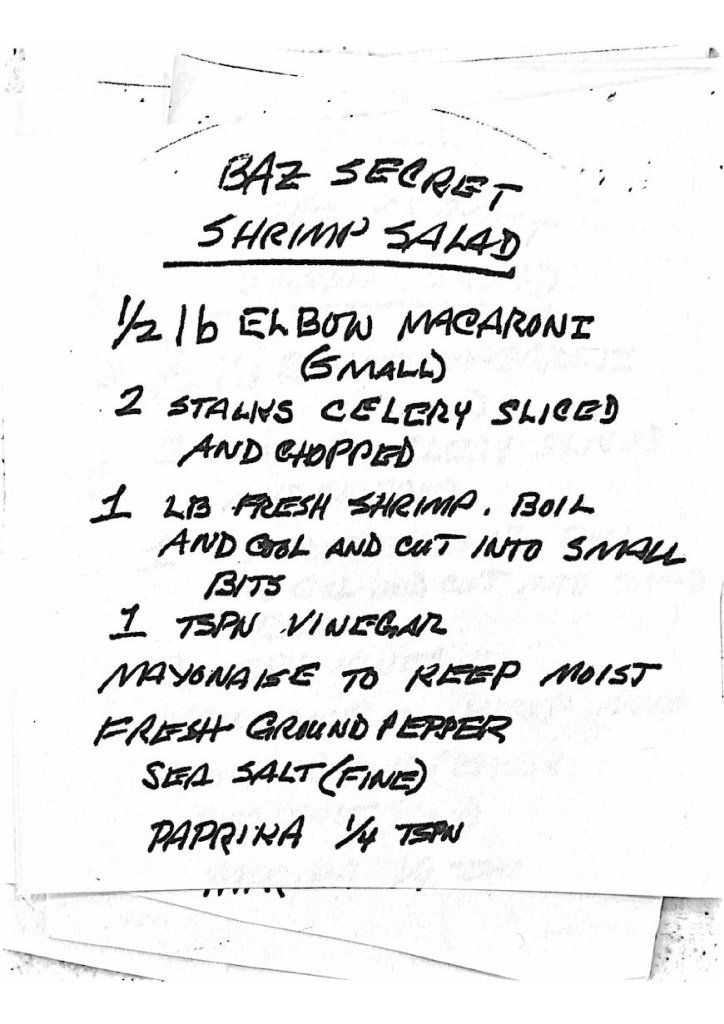
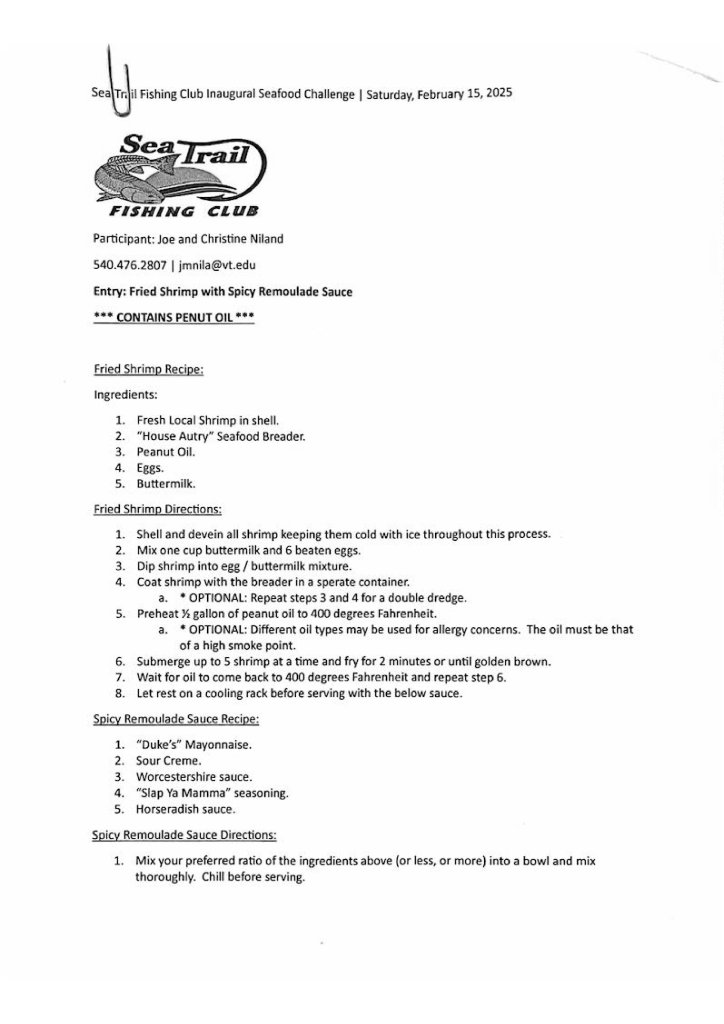
The cooks from the wildly successful first annual Sea Trail Fishing Club Golden Spoon cookoff graciously shared their recipes.
Please make plans to attend our club’s first ever Seafood Cookoff, this Saturday, February 15, eating begins at 11:30.
All cooks need to preregister and promise to follow the rules.
Winners will be announced at the end of the event, selected by those still left standing after eating.
See the rules and regulations below in Steve Pendergrass’ post.
Stay tunded for a possible BIG announcement on future club events, by the events committee chair person, Alan Trojan
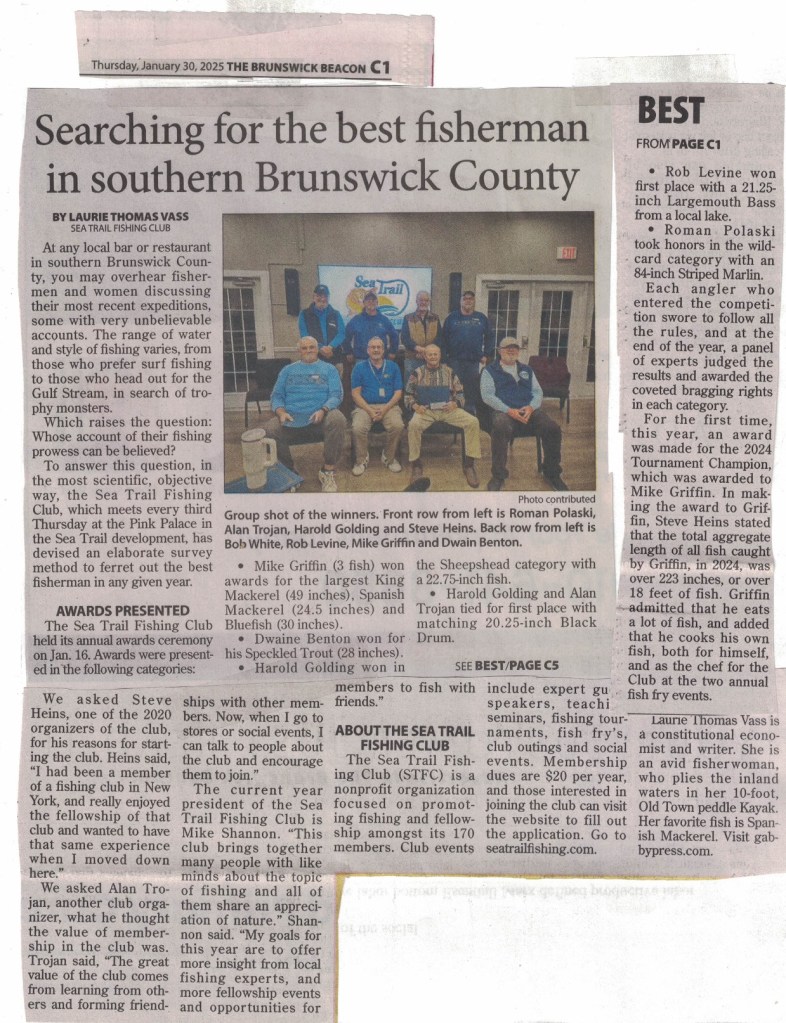
Mike Griffin 2024 Tournament Champion
18 feet of fish!!!
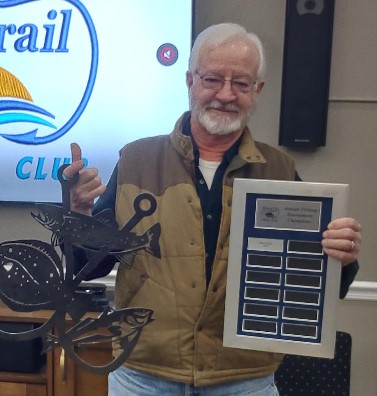
2024 Club Leaders Award
Steve Heins and Alan Trojan

Our Sea Trail Fishing Club Members have submitted some of their catches during the 2024 Fishing Season.
How many Members can you identify?
Hint: Click the slide to advance to the next……..
Think you can do better? Enter the 2025 Sea Trail Fishing Club Tournament
*** Slide presentations provided by Brian Brumbaugh ***
MOREHEAD CITY – The N.C. Department of Environmental Quality’s Division of Marine Fisheries will close coastal and joint waters in North Carolina to both commercial and recreational spotted seatrout harvest effective at 5 p.m. Friday, Jan. 24 due to widespread cold stun events.
Cold stuns are natural events that occur when there is a sudden drop in water temperature or prolonged periods of cold weather that makes the fish sluggish. Many fish will die from the cold. Others fall prey to birds and other predators. Studies suggest that cold stun events can have a significant impact on spotted seatrout populations.
The division has confirmed significant spotted seatrout cold stun events or water temperatures as recorded by the division’s water temperature monitoring program have exceeded temperature triggers in seven water bodies from the Little Alligator River to the Morehead City area. The division is still receiving and verifying more cold stun reports and collecting associated environmental data. These efforts will continue regardless of the closure so the division can capture the magnitude of the cold stun event to evaluate management in order to protect the stock.
Under the N.C. Spotted Seatrout Fishery Management Plan adaptive management, if a significant cold stun event occurs, the Division of Marine Fisheries will close all spotted seatrout harvests until the spring.
The intent of the closure is to allow the surviving fish a chance to spawn before harvest reopens. Peak spawning occurs from May through June.
The spotted seatrout season will remain closed until June 15 or the date adopted in Amendment 1 to the Spotted Seatrout Fishery Management Plan at the February Marine Fisheries Commission business meeting, when it will reopen by proclamation.
Commercial seafood dealers have until 5 p.m. Friday, Jan. 31 to sell, offer for sale, transport or otherwise dispose of any unfrozen spotted seatrout that remain in their possession from prior to the closure.
For more specifics on the closure in coastal waters, see FF-11-2025.
The public should continue to report any cold stun events they see in Coastal and Joint waters. Cold stun events can be reported at any time to the N.C. Marine Patrol at 252-515-5507 or during regular business hours to the Division of Marine Fisheries spotted seatrout biologist Lucas Pensinger at 252-515-5638 or Lucas.Pensinger@deq.nc.gov. When reporting a cold stun event, please provide the specific location, date, and time the cold stun was observed, along with your contact information.
For More Information
Contact: Patricia Smith
Phone: 252-515-5500
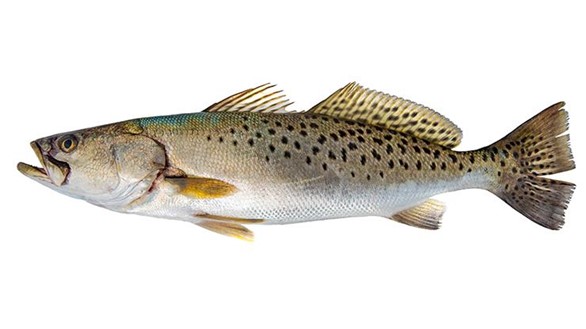
Information on Spotted Seatrout FMP Amendment 1
Draft Spotted Seatrout FMP Amendment 1
A review of the Spotted Seatrout Fishery Management Plan is underway. Results of the 2022 benchmark stock assessment indicate the stock is not overfished but is experiencing overfishing. At their November 2024 business meeting, the N.C. Marine Fisheries Commission vote to select their preferred management options for the commercial and recreational Spotted Seatrout fisheries.
Division management recommendation for both sectors:
• Statewide harvest closure Jan. through Feb.
Division management recommendation for recreational fishery:
• 14”–20” slot limit with allowance for one fish >26”
• 3 fish bag limit
Division management recommendation for commercial fishery:
• 11:59 p.m. Friday to 12:01 a.m. Tuesday closure from Oct. 1 to Dec. 31
• No changes to Bogue Banks stop net quota, but formalize management in Amendment 1
Division supplemental and cold stun management recommendations:
• Eliminate spotted seatrout captain/crew limit on for-hire trips
• Extend harvest closure following a severe cold stun through Jun. 30
For questions, contact Lucas Pensinger, Lucas.Pensinger@deq.nc.gov or Melinda Lambert, Melinda.Lambert@deq.nc.gov.
 Sea Trail Fishing Club
You must be logged in to post a comment.