Weekend Updates from CCA NC View in browser  Not a Good Look for NC Not a Good Look for NC  Someone made that statement to me as we were talking about the ongoing dispute between the NC Wildlife Resources Commission and the NC Marine Fisheries Commission over who controls hook and line fishing in NC joint waters, and it has stuck with me. The dispute is supposed to be settled by the governor, yet Governor Cooper has been unwilling to step in. This dispute is fueling calls from many citizens to merge the two agencies into one single fish and wildlife commission as many states have already done. Everyone is aware by now that the Division of Marine Fisheries announced during the May MFC meeting that because public anglers exceeded their quota for Southern flounder in 2023, there would be no recreational harvest season in 2024. The commercial fishermen exceeded their quota by a small margin so there will be a commercial harvest season on Southern flounder this fall. This was a result of the MFC giving 70% of the total allowable catch to the commercial sector under Amendment 3 to the Southern Flounder Fisheries Management Plan. One thing that gets forgotten in this allocation argument is that public anglers are also prohibited from keeping any Gulf or summer flounder caught in North Carolina waters, neither of which is considered overfished. So, by allocating the entire 2022 summer flounder quota of 3,361,569 pounds to the commercial sector, commercial fishermen can harvest 96% of the flounder landed in North Carolina. The public anglers get the remaining 4% when they get anything at all. The WRC chairman Monty Crump wrote a letter to MFC chairman Rob Bizzell in June stating WRC was “extremely disappointed the MFC did not take action to open a recreational flounder season in 2024” and urged the MFC to call a special meeting to move up the timeline for changing the Southern flounder allocation to 50/50. The current Southern Flounder FMP timeline moves the allocation to 60/40 in 2025 and 50/50 in 2026. MFC Chairman Bizzell tried for a special called meeting to consider changing the timeline at their May meeting but did not receive the necessary five votes. At their July meeting, the WRC voted to allow a four-day flounder season in inland and joint fishing waters in defiance of the MFC’s Southern Flounder FMP. MFC Chairman Bizzell replied that they would direct their Marine Patrol Officers to ticket any angler caught in possession of Southern flounder in joint and coastal waters. So, we are back to the dispute over who has authority over hook and line fishing in joint waters and public anglers are caught in the middle. Not a good look for North Carolina. Attorney General and Democratic nominee for Governor Josh Stein even issued his own statement regarding the decision to not open a recreational flounder season in 2024: “North Carolina has a rich history of both recreational and commercial fishing – both help power our state’s economy. The recent decision to close flounder fishing for North Carolina families as they head to the beach for summer vacation, while allowing commercial flounder fishing to continue, isn’t fair. As Governor, I’ll work to achieve a better balance when it comes to our state’s fisheries management, I’ll also continue to focus on protecting our water, including our sounds and shorelines.” It is encouraging that this issue caught the eye of his campaign, however as the Attorney General, in 3-1/2 years of defending the State in our lawsuit, Josh Stein is well aware of state fisheries management problems but has done nothing to resolve them. Governor Cooper and AG Stein are not alone, in that the General Assembly has since 1997 largely ignored the fisheries management crisis as it has worsened, with both Democrats and Republicans balking at admitting or addressing public trust fisheries management problems. Southern flounder has been, historically, one of the most sought-after species, if not the species, by public anglers fishing in coastal waters. Southern flounder has been known to be overfished since at least 1989 and this overfishing has almost exclusively resulted from commercial overharvest, not public angler overharvest. Yet, if the public wants to eat a flounder dinner in North Carolina they are relegated to purchasing it from a seafood market or in a restaurant. It is wrong – really unconscionable – that the State allocates 70% of a coastal fish stock highly sought after by public anglers to a few thousand citizens for profit, while penalizing 11 million North Carolinians by allowing them to have the “crumbs” left over from commercial harvest. That allocation should be reversed. Similarly, it is unconscionable to allow a 2024 commercial harvest season for Southern flounder while banning public anglers from fishing for Southern flounder, particularly when the State has the ability – by allocating harvest – to readjust management to allow a meaningful public angler season. In addition, the State has the authority, but lacks the will, to open harvest of Gulf flounder to public anglers. Anyone in state government at this point who doesn’t know about the serious public resource management issues that have brought a popular public fishing species like flounder to its knees is either not paying attention or just doesn’t care, or both. Public anglers have always been willing to do their part to ensure the long-term viability of our fisheries. What we need now, more than ever, is visionary leadership from our state.  CCA NC Hires New Regional Director In July, we welcomed Mary Ellen Hunter to the CCA NC team as a new Regional Director. Mary Ellen grew up hunting and fishing with her father on and around the Pungo River. She has already demonstrated how her passion and excitement for the outdoors and conservation will help in her responsibilities for membership engagement and development! Look for her at an event near you or feel free to reach out to her with any questions about chapter happenings in your area: maryellen@ccanc.org CCA NC Hires New Regional Director In July, we welcomed Mary Ellen Hunter to the CCA NC team as a new Regional Director. Mary Ellen grew up hunting and fishing with her father on and around the Pungo River. She has already demonstrated how her passion and excitement for the outdoors and conservation will help in her responsibilities for membership engagement and development! Look for her at an event near you or feel free to reach out to her with any questions about chapter happenings in your area: maryellen@ccanc.org 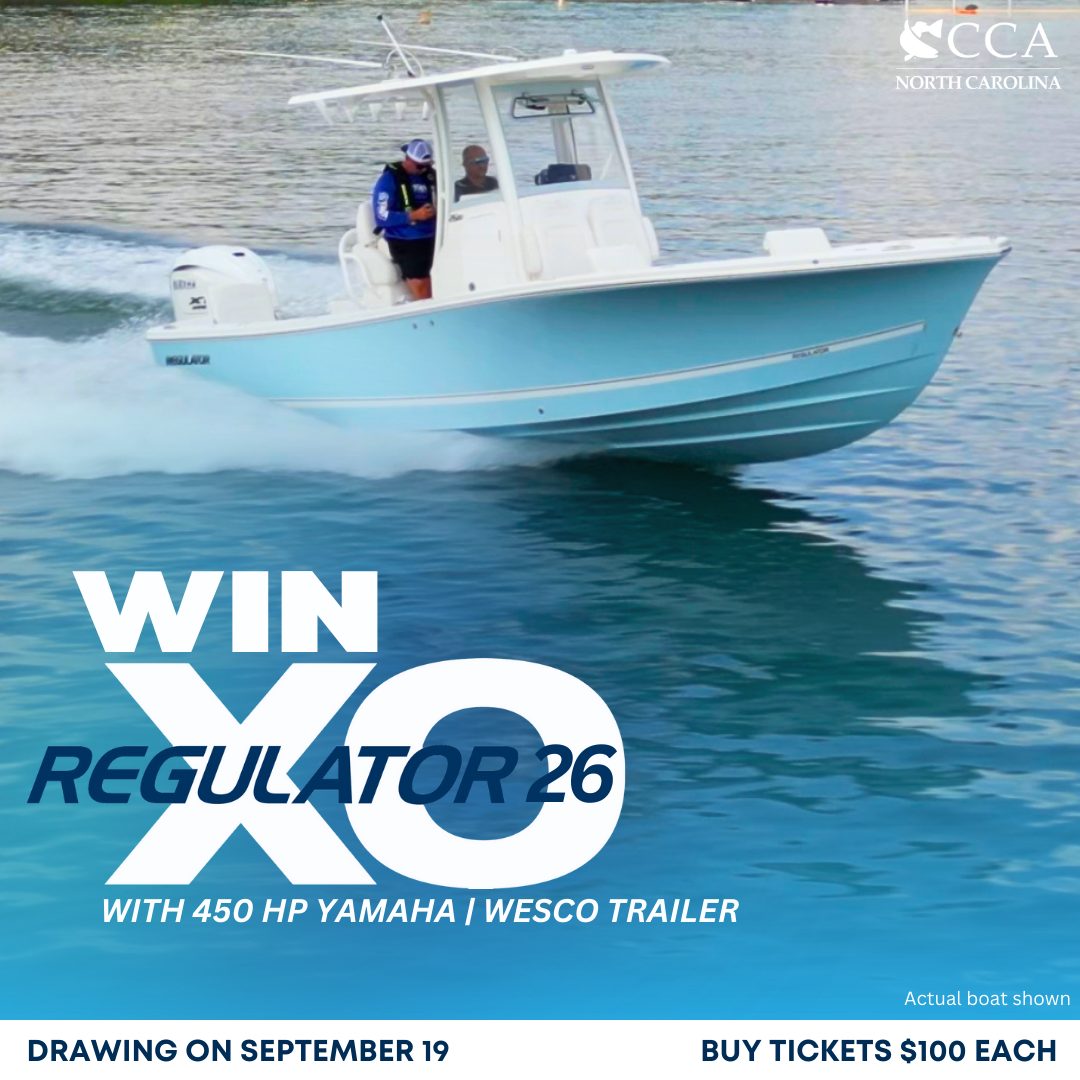 CCA NC Regulator Boat Raffle Regulator Marine has generously partnered with CCA NC by donating the 2024 Yamaha demo boat for this year’s CCA NC boat raffle! The 2024 Regulator 26XO with a 450 XTO Yamaha comes ready with a Garmin 16 XO Fish Package and a Wesco trailer. Tickets are available online through September 16 and the winner will be drawn live at our Crystal Coast Banquet in Morehead City on September 19th. Will you be the one who takes it home? CCA NC Regulator Boat Raffle Regulator Marine has generously partnered with CCA NC by donating the 2024 Yamaha demo boat for this year’s CCA NC boat raffle! The 2024 Regulator 26XO with a 450 XTO Yamaha comes ready with a Garmin 16 XO Fish Package and a Wesco trailer. Tickets are available online through September 16 and the winner will be drawn live at our Crystal Coast Banquet in Morehead City on September 19th. Will you be the one who takes it home? 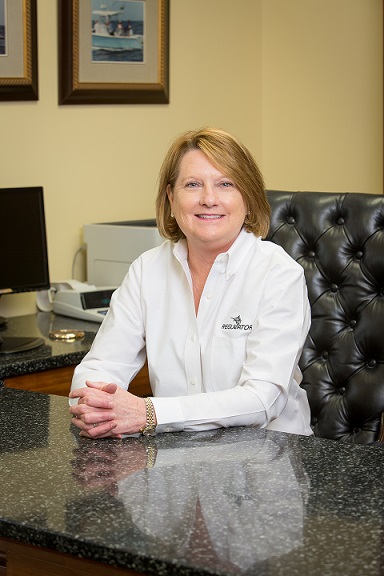 Last week we had a chance to tour the Regulator Marine factory in Edenton and we sat down with Joan Maxwell to talk boats, conservation, fishing and the special culture at the company. Last week we had a chance to tour the Regulator Marine factory in Edenton and we sat down with Joan Maxwell to talk boats, conservation, fishing and the special culture at the company. 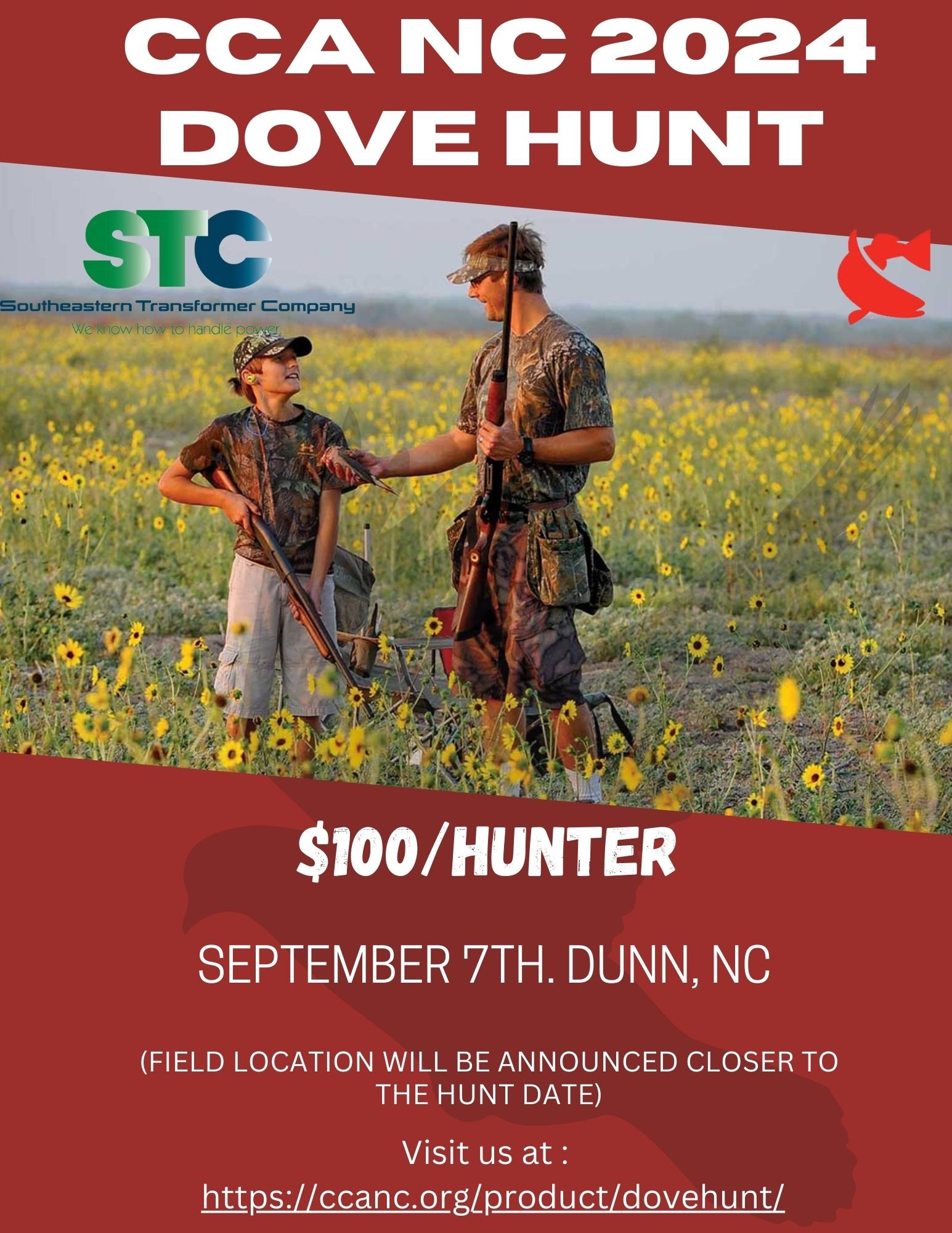 2024 CCA NC Annual Dove Hunt This year’s hunt will be held on Saturday, September 7th in Dunn, NC and hosted once again by Avery Corning and Southeastern Transformer Company. There are a limited number of spots available so be sure to get registered before we sell out. You won’t be able to find a better deal out there for a dove hunt, a meal, and for a good cause so invite your friends and get registered! 2024 CCA NC Annual Dove Hunt This year’s hunt will be held on Saturday, September 7th in Dunn, NC and hosted once again by Avery Corning and Southeastern Transformer Company. There are a limited number of spots available so be sure to get registered before we sell out. You won’t be able to find a better deal out there for a dove hunt, a meal, and for a good cause so invite your friends and get registered! 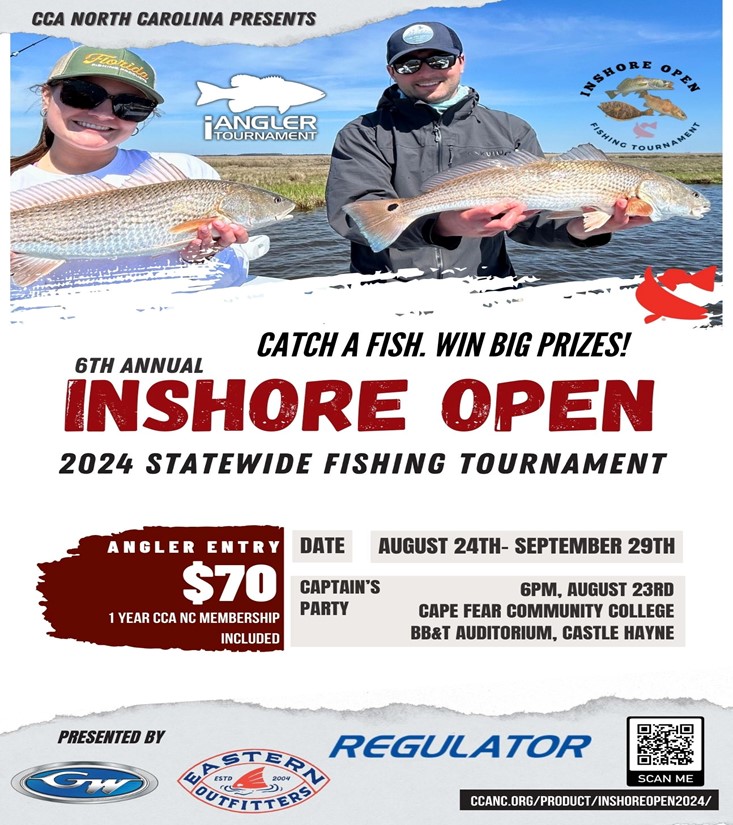 2024 Inshore Open We are excited to bring back the STATEWIDE “Inshore Open” fishing tournament for yet another year. Help us make the 6th annual the best one yet. We have added some new divisions to the tournament this year – for all those Kayak anglers out there, now you can compete on your own completely separate from the boat anglers! You know you are going fishing anyway, so why not register and have a chance at some great prizes and statewide bragging rights? 2024 Inshore Open We are excited to bring back the STATEWIDE “Inshore Open” fishing tournament for yet another year. Help us make the 6th annual the best one yet. We have added some new divisions to the tournament this year – for all those Kayak anglers out there, now you can compete on your own completely separate from the boat anglers! You know you are going fishing anyway, so why not register and have a chance at some great prizes and statewide bragging rights? 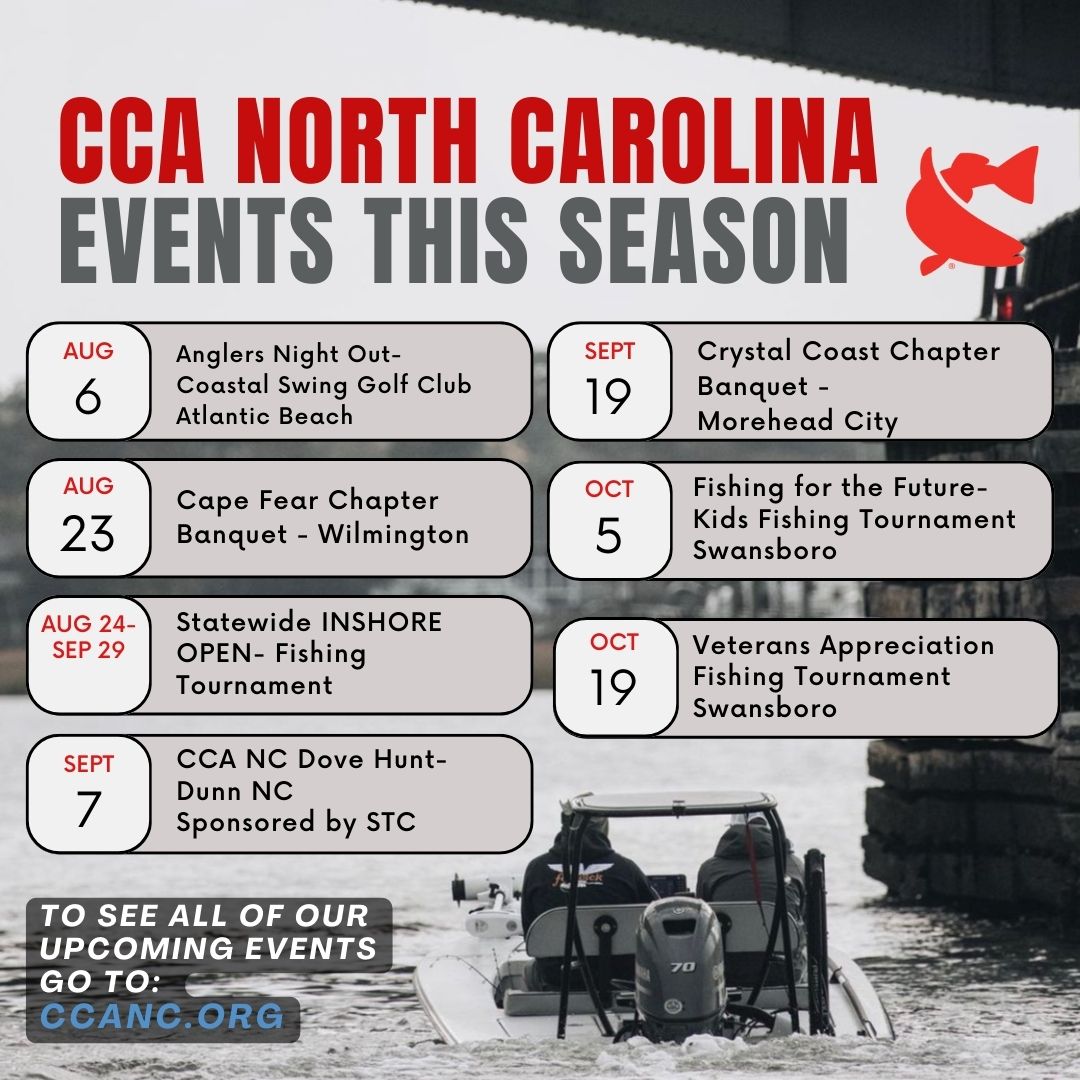 Upcoming Events We have a busy fall schedule of events including the Inshore Open, our annual dove hunt, chapter banquets, kids fishing tournament and a fall military appreciation fishing weekend. For more information on all of our upcoming events, please visit the website. Upcoming Events We have a busy fall schedule of events including the Inshore Open, our annual dove hunt, chapter banquets, kids fishing tournament and a fall military appreciation fishing weekend. For more information on all of our upcoming events, please visit the website. United States of America   You received this email because you signed up on our website or made a purchase from us. Unsubscribe You received this email because you signed up on our website or made a purchase from us. Unsubscribe |
Back to the Mountains … High Country Smallmouth

August 8, 2024
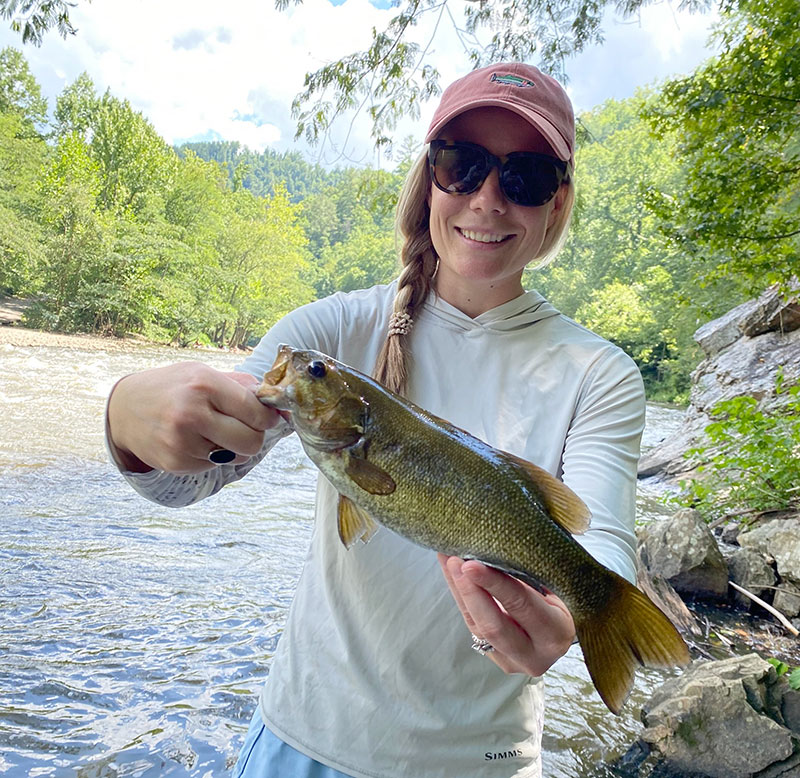
Smallmouth bass are a great target for anglers in western North Carolina throughout August. (Picture by The Catawba Angler)
Summertime means hot smallmouth action in WNC
The month of August is hot, even in the mountains of western North Carolina. The smallmouth fishing is just as hot on the French Broad, the Toe, and the Catawba rivers, according to Matt Evans of the Catawba Angler in Asheville, NC.
Redfish Rodeo

August 8, 2024
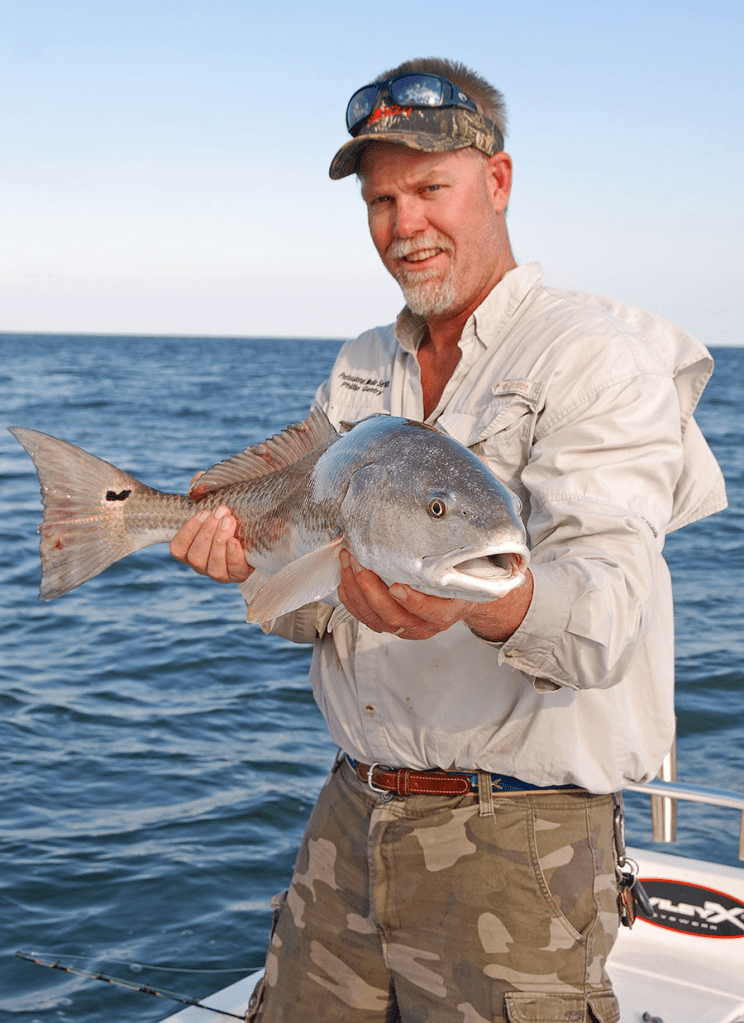
Late summer is a great time to target over-slot adult redfish in the Carolinas. (Photo by Phillip Gentry)
It’s time for the running of the bulls
August in the Carolinas can be pretty hot. The weather is hot, the water is hot, and if you’re looking to catch a big adult redfish, the fishing can also be hot. Once a redfish exceeds the slot limit, these fish tend to take on a different pattern than when they were just pups. For one, bull redfish, known in some circles as old drum, spread out more. That’s not to say that adult drum don’t still school by size and class, but it’s a looser association, at least until the fish move out of the inshore and nearshore waters for the winter.
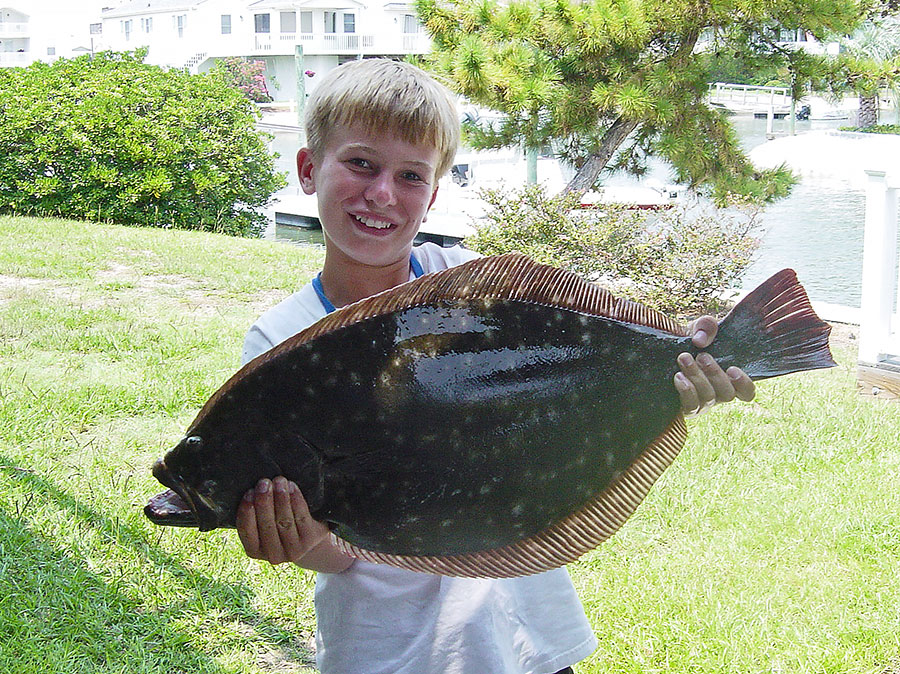
Fixing a floundering fishery

Terrestrials for summer trout in the Appalachian Mountains
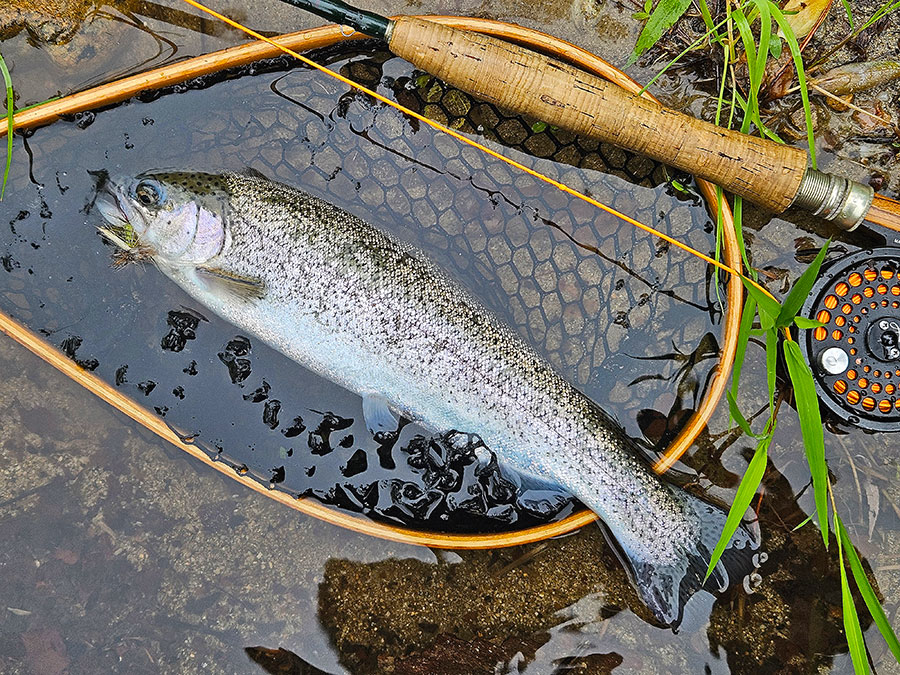

Happenings at Seacoast Anglers Association
If you have an interest, contact our colleagues at Seacoast anglers Association.
2024 Hook A Kid on Fishing
http://seacoastanglersassociation.com/home.html
It’s hard to believe that we’re coming up on our last Hook A Kid in Fishing event for this season! In 2016 Freedom Boat Club partnered with the Seacoast Anglers Association of North Myrtle Beach and Little River, SC for “Hook a Kid on Fishing” and will continue to do so this year for underprivileged kids.
The mission of the Seacoast Anglers Association of North Myrtle Beach and Little River, SC is to share knowledge and teach the basics of saltwater fishing to their members. Most of all, they share this with the youngsters in our area through “HOOK A Kid On Fishing”, a program that allows less fortunate kids to learn how to fish throughout the summer season with the help of the Seacoast Anglers and Freedom Boat Club.
Thank you to our volunteer captains!
August 13
Dave Ryan
Rick Stetson
Mark Barrett
Greg Marcy
Should you choose to volunteer as a boat captain for us, please be at the docks by 8:30 am for a departure at 9 am. You’ll return to the docks by noon, where a lunch featuring grilled hot dogs and all the fixings will be served, courtesy of the Seacoast Anglers and prepared by the Freedom Boat Club.


You must be logged in to post a comment.