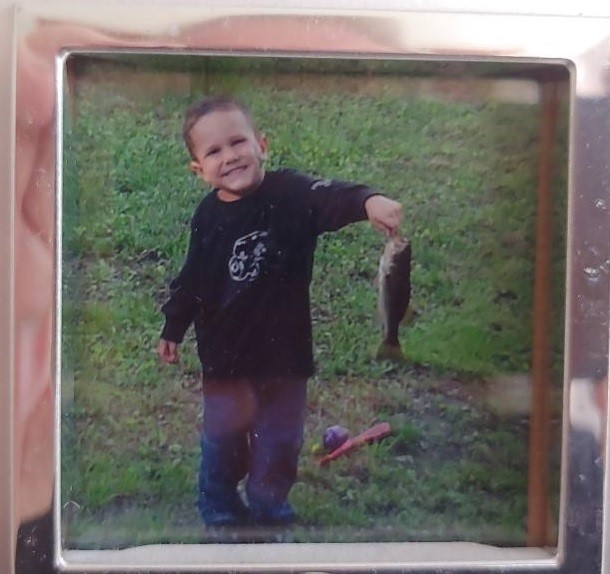
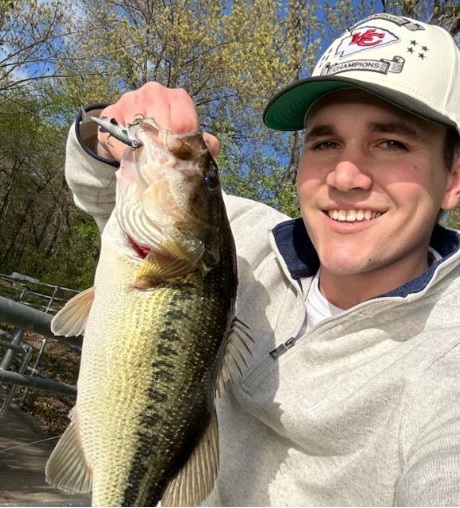
Last week my 24-year old grandson sent me a picture of a bass that he had just caught near his home in Missouri. The bass was nice but his smile was priceless. In addition, it was especially meaningful to me for two reasons. The first was that it was important to him to share his success with me. He grew up without an interested father and I taught him to fish in a small pond in New Bern over 20 years ago. Fishing is a great sport to share with both kids and friends. Remember that we all started somewhere and no matter our ages we should be willing to help those who are starting out. There is no greater feeling than helping someone develop a skill or knowledge and see them start to “get it. Watching a new angler succeed and feeling their excitement will remind you that it’s not always about the big fish. Do you remember why you even started in the first place?
On the other hand, never think that you know it all. That’s not possible, there’s always something to learn. Most anglers fall somewhere between a beginner and expert, but no one wants to stay there. If you want to land at the top of the leaderboard in the Club fishing tournament, or just start catching fish every single time you hit the water then you need to improve your game. How do you do that? Here are three suggestions.
- Talk To People. Instead of being an elitist and ignoring the guy sitting on the sand, bank, boat or dock fishing, take a few minutes and talk to them. Anglers could learn a lot in just a few minutes by asking questions. Just a few minutes of talking with them can give you the insight you need to hook up.
- Find an Expert Mentor. Spend time on the water with a skilled angler in a purposeful way. Don’t just fish with them, observe what they do and ask questions. Most excellent anglers are more than happy to share their expertise on how they locate and catch fish. Most are happy to share details and have no secrets in that regard. In the next breath, though, they might not be willing to tell you about their secret fishing spots. That tidbit of info may be hard for them to give up. If you are in for a paid lesson, there are several very knowledgeable charter captains in the area. Don’t go out with the mindset of just coming home with some fish for the table – or that once in a life-time trophy catch. Use the experience to learn from the expert! Ask questions, look at the equipment they are using, check out the terminal tackle, etc., etc. Get your money’s worth out of the experience!
- Join a Club. The Sea Trail Fishing Club offers many ways to improve your fishing knowledge. It is a place to meet others that may have more knowledge and experience or, maybe, just different experiences. Sharing stories and ‘hooking’ up with others of like interests is an enriching experience. The Club holds monthly meetings and invites local charter captains to share a little of the local lore. The Club also holds events and schedules charters for its members. For example, last year the Pier Fishing event allowed some members to learn about a whole different kind of angling experience – and at a discount rate! There re also other clubs in the area and many, like ours have websites that open up a whole new realm of angling opportunities.
- Be a Mentor. Finally, become the teacher or mentor that you had when you were starting off. Once you have gained all of that hard-earned fishing knowledge, be prepared to pass it forward to others! Sometimes that is one of the most rewarding parts of the journey.
 Sea Trail Fishing Club