
August 8 2024
If you have an interest, contact our colleagues at Seacoast anglers Association.
2024 Hook A Kid on Fishing
http://seacoastanglersassociation.com/home.html
It’s hard to believe that we’re coming up on our last Hook A Kid in Fishing event for this season! In 2016 Freedom Boat Club partnered with the Seacoast Anglers Association of North Myrtle Beach and Little River, SC for “Hook a Kid on Fishing” and will continue to do so this year for underprivileged kids.
The mission of the Seacoast Anglers Association of North Myrtle Beach and Little River, SC is to share knowledge and teach the basics of saltwater fishing to their members. Most of all, they share this with the youngsters in our area through “HOOK A Kid On Fishing”, a program that allows less fortunate kids to learn how to fish throughout the summer season with the help of the Seacoast Anglers and Freedom Boat Club.
Thank you to our volunteer captains!
August 13
Dave Ryan
Rick Stetson
Mark Barrett
Greg Marcy
Should you choose to volunteer as a boat captain for us, please be at the docks by 8:30 am for a departure at 9 am. You’ll return to the docks by noon, where a lunch featuring grilled hot dogs and all the fixings will be served, courtesy of the Seacoast Anglers and prepared by the Freedom Boat Club.

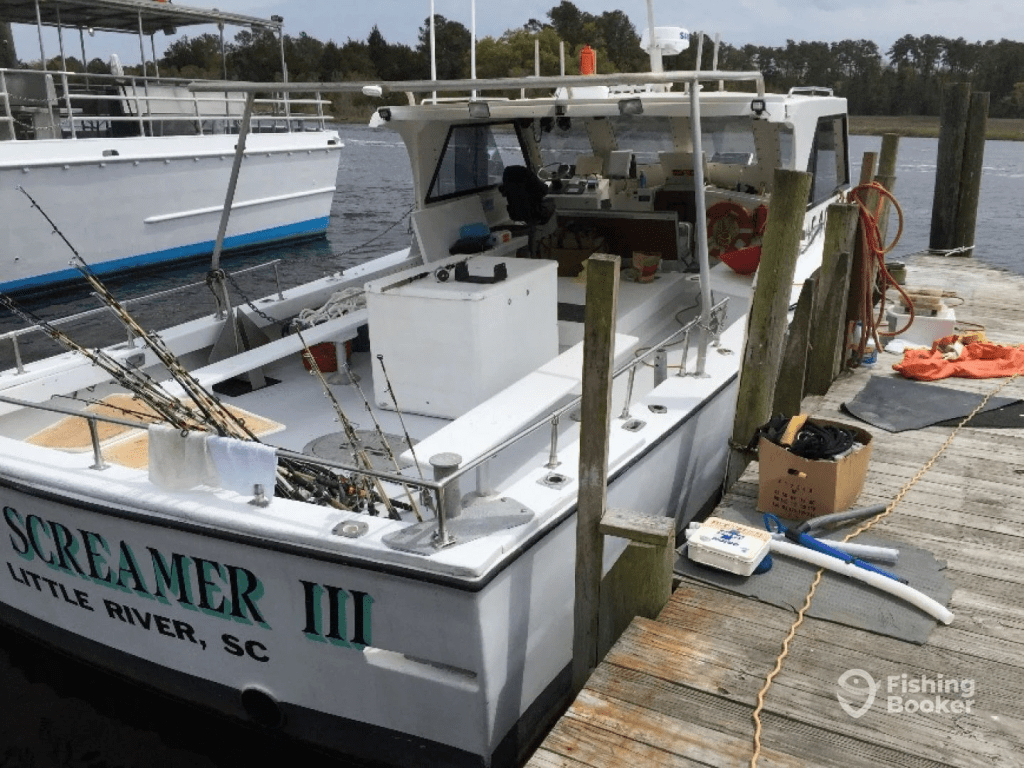
We have used this boat for previous monthly trips with excellent success over the last 3 years.
Captain and mate are top notch!We have only 3 more spots left on the boat so let us know asap if you can make it.
Cost is $225/per person for the 12 hour trip.
This is a negotiated lower price that already takes into consideration the increase in the price of fuel.
If you are interested, please respond asap and send your check to hold your spot to:
Andrew David cell 410-404-0972 or email andrewid83@gmail.com
706 Royal Fern Ct., Calabash, NC 28467″
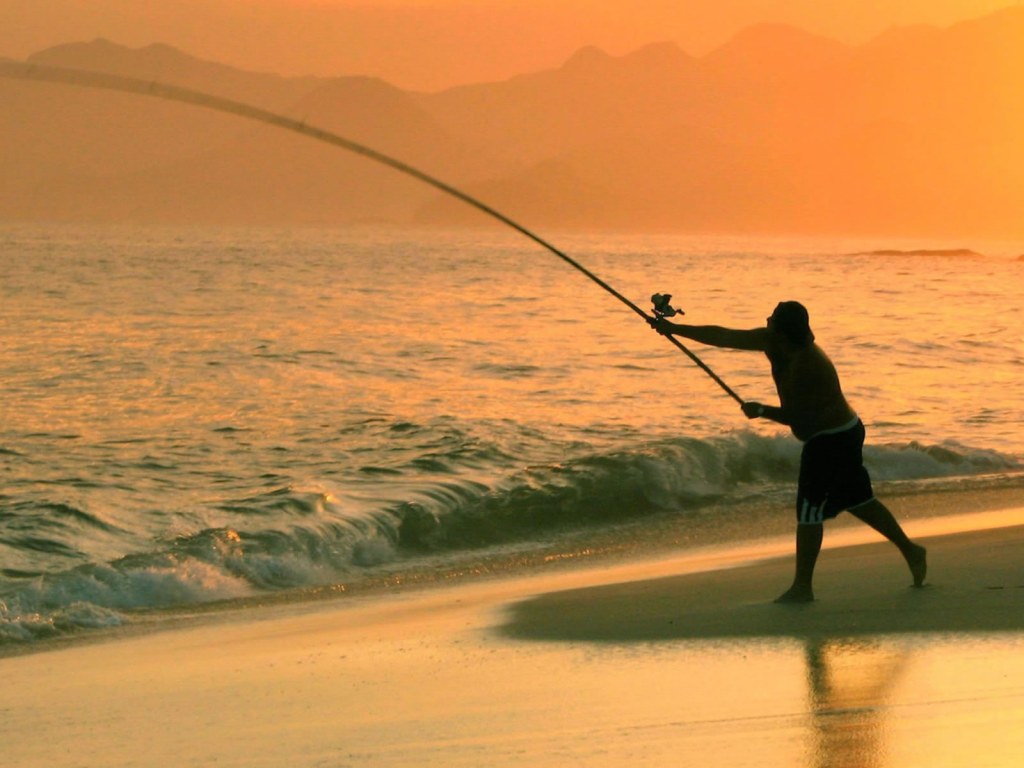
Let’s go SURFING … 🎣 our Club Member Bob White has announced upcoming surf fishing adventures. August 9th and August 22nd. Adventures start at 6:00 AM and usually end around 9:00 AM, depending on the bite.
Directions, come across the Ocean Isle Beach bridge, go straight out to the round-a-bout (fishing pier) then turn right for 1 1/2 miles, look up then you will see the water tower about another mile. We meet in the 2 free parking lots directly under the tower. If you run later just come across street Beach Blvd. to the boardwalk and proceed to the water and you will find us there fishing! Hope to see you there, come one or both dates!

Tarpon make a big move this month, traveling from Florida into North Carolina’s waters. Capt. Jot Owens catches them in numerous locales all around Wrightsville Beach beginning in July and through late September.
“These big silver fish are making their way up from the south. The long trip has made them hungry, and hungry fish are easier to catch, most of the time,” said Owens (910-233-4139).
Owens said with the keen eyesight of tarpon, anglers should opt for Berkley Pro Spec fluorocarbon in 60- to 80-pound test for their leader.
He uses Trokar AP circle hooks in sizes 8/0 and 9/0, and said anglers really need to be ready for a jarring strike and a hard fight when a tarpon hits.
“If you hook into one of these tarpon, hold on tight. They fight very hard,” he said.
Even when targeting other species of fish this month, Owens is always looking for tarpon, which often show themselves right at, or just under the surface. So he keeps a heavy duty rod handy. And he said this time of year, a tarpon can appear just about anywhere along North Carolina’s coast.
“I look for tarpon around local inlets, shoals and hard bottoms close to shore,” he said.
As far as bait goes, that’s an easy one. Owens said live or fresh, dead bait like menhaden or mullet do the job just fine.
“Fishing those baits on the bottom, and free lining them (with no weight on the line) are the best bet for getting a bite out of these beasts,” he said.
When it comes to having the proper rod to fight tarpon, Owens prefers a PENN Spinfisher VI 6500 and 7500, or a PENN 20LW mounted to either a PENN Rampage or Carnage II jigging series rod.
When the tarpon are especially uncooperative on a day he’s targeting them, Owens said the sharks are always willing to play. He said this is a great way to get kids involved, and even adults enjoy fighting these fish, which can test an angler’s skill.
“In July, the bigger sharks really start to show up. Catching these sharks on light tackle is always good for a fight,” he said.
He catches numerous species of sharks with a wide array of baits this month. And in a wide variety of places.
“I drift live and fresh, dead bluefish, Spanish mackerel, mullet or menhaden in 30 to 45 feet of water, just offshore,” he said.
Many of these sharks range from 20 to 100 pounds, and anglers always have the chance to hook into one even bigger, he said.
When specifically targeting sharks, Owens uses 7/0 circle hooks attached to 1 foot of 90-pound wire, and an 80-pound mono leader that is 6 to 8 feet long.
“You can free-line the bait and/or put a small egg sinker on to keep the bait close to the bottom,” he said. “You’ll know when you get a bite!”
 Sea Trail Fishing Club
You must be logged in to post a comment.